


SKIN DISEASES and NATURAL REMEDIES: A COMREHENSIVE GUIDE
INTRODUCTION
The largest organ in the human body, the skin acts as the body’s first line of protection against dangerous infections, toxins, and physical trauma. It is also essential for supplying sensory information and controlling body temperature. Skin disorders, which can vary from minor irritations to serious chronic diseases, are regrettably widespread. Even though traditional therapies are frequently quite effective in treating skin conditions, more and more people are using natural solutions as a supplement or substitute.
Here, we discuss common skin ailments, their causes, symptoms, and a range of natural treatments that have shown promise in treating them. In addition to discussing natural remedies for these problems, the conversation takes a comprehensive approach to how environmental, dietary, and lifestyle variables affect skin health.
COMMON SKIN DISEASES
Acne
Acne is one of the most prevalent skin conditions, particularly among teenagers and young adults. It occurs when hair follicles become clogged with oil, dead skin cells, and bacteria, leading to inflammation and the formation of pimples, blackheads, and cysts.
Causes:
-
Hormonal imbalances (e.g., puberty, pregnancy)
-
Excessive oil production
-
Bacterial growth
-
Poor hygiene or certain cosmetics
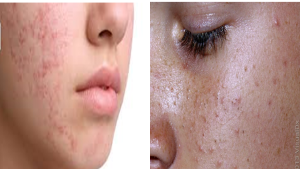
ACNE
Symptoms:
-
Pimples, blackheads, and cysts
-
Redness and swelling
-
Pain or tenderness around affected areas
Eczema (Atopic Dermatitis)
Eczema is a chronic condition characterized by itchy, inflamed skin. It is often triggered by allergens or irritants, leading to flareups.
Causes:
-
Genetic factors
-
Environmental triggers (e.g., pollen, dust mites)
-
Irritants like soaps and detergents
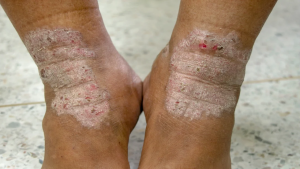
ECZEMA (ATOPIC DERMATITIS)
Symptoms:
-
Dry, itchy patches of skin
-
Red, inflamed, or cracked skin
-
Thickened skin with repeated flare-ups
Psoriasis
Psoriasis is an autoimmune disorder that causes the rapid buildup of skin cells, leading to red, scaly patches on the skin, particularly on the elbows, knees, and scalp.
Causes:
-
Genetic predisposition
-
Immune system dysfunction
-
Stress and environmental factors
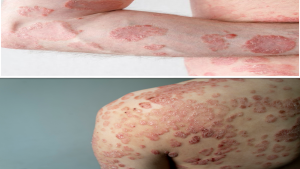
PSORIASIS
Symptoms:
-
Silvery, scaly patches on the skin
-
Dry, cracked skin
-
Itching, burning, or soreness
Rosacea
Rosacea is a chronic condition that primarily affects the face, causing redness, visible blood vessels, and, in some cases, acne-like breakouts.
Causes:
-
Genetic factors
-
Environmental triggers like heat or spicy foods
-
Immune system dysfunction
Symptoms:
-
Redness and flushing of the face
-
Visible blood vessels (telangiectasia)
-
Bumps and pimples resembling acne
Skin Infections
Skin infections can arise from bacteria, fungi, viruses, or parasites. Common conditions include impetigo, athlete’s foot, and fungal infections.
Causes:
-
Bacterial or fungal growth
-
Viruses like herpes simplex (cold sores)
-
Poor hygiene or contact with infected surfaces
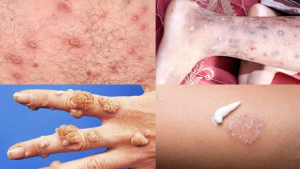
SKIN INFECTION
Symptoms:
-
Redness, swelling, and pain
-
Pus or discharge
-
Itching or irritation
Natural Supplementary Remedies for Skin Lesions
Natural treatments for skin conditions are becoming more and more popular because of their holistic advantages, gentleness, and cost. The potential of a variety of natural compounds to treat or lessen the symptoms of common skin disorders has been investigated. Here are a few common solutions.
Aloe Vera
Aloe vera is a well-known natural remedy for skin irritation and inflammation. It has anti-inflammatory, antimicrobial, and cooling properties, making it an excellent choice for treating acne, eczema, psoriasis, and sunburn.
How to Use:
-
Apply fresh aloe vera gel directly to affected areas.
-
Use aloe vera-based creams or lotions.
Tea Tree Oil
Tea tree oil is a potent essential oil with strong antimicrobial properties, making it an effective treatment for acne and fungal infections like athlete’s foot.
How to Use:
-
Dilute a few drops of tea tree oil in a carrier oil (such as coconut or jojoba oil) and apply it to affected areas.
-
Add a few drops to your facial cleanser or acne treatment products.
Coconut Oil
Coconut oil contains fatty acids that provide hydration to dry skin, and its anti-inflammatory properties make it beneficial for eczema and psoriasis. Additionally, its antifungal properties can help treat fungal infections like athlete’s foot.
How to Use:
-
Apply a thin layer of coconut oil to the skin before bed.
-
Use it as a moisturizer after showering.
Turmeric
Turmeric is known for its powerful anti-inflammatory and antioxidant properties. It can help reduce the symptoms of eczema, psoriasis, and acne by calming the skin and reducing redness.
How to Use:
-
Make a paste by mixing turmeric powder with water or honey, and apply it to inflamed areas for 10-15 minutes before rinsing off.
-
Add turmeric to your diet to support overall skin health.
Honey
Honey, particularly raw honey, has natural antibacterial and antimicrobial properties. It helps heal wounds, soothe irritated skin, and reduce acne-related inflammation.
How to Use:
-
Apply raw honey directly to the skin for acne or eczema flare-ups and leave it on for 10-15 minutes before rinsing.
-
Use honey as a mask or mix it with other ingredients like yogurt for additional benefits.
Witch Hazel
Witch hazel is a natural astringent that can help reduce inflammation and redness caused by acne, eczema, and minor skin irritations. It also works well for reducing the appearance of broken blood vessels in conditions like rosacea.
How to Use:
-
Apply witch hazel extract directly to affected areas using a cotton ball.
-
Add it to your skincare routine after cleansing.
Apple Cider Vinegar
Apple cider vinegar is often recommended as a treatment for skin conditions like eczema, acne, and dandruff due to its ability to restore the skin’s pH balance and its antimicrobial properties.
How to Use:
-
Dilute apple cider vinegar with water and apply it to the skin using a cotton pad for acne or eczema.
-
Use it as a scalp treatment to reduce dandruff.
LIFESTYLE AND SKIN
In addition to topical treatments, a healthy lifestyle can significantly impact skin health. Here are some essential practices to support healthy skin:
Diet
Eating a nutritious diet supports overall skin health. Foods rich in antioxidants, omega-3 fatty acids, and vitamins A, C, D, and E can help reduce inflammation and promote skin repair. Include more vegetables, fruits, and healthy fats (like those found in nuts, seeds, and fish) in your diet.
Hydration
Staying hydrated helps maintain skin moisture and elasticity. Aim to drink plenty of water throughout the day, especially if you have dry or irritated skin.
Stress Management
Chronic stress can exacerbate skin conditions like acne, eczema, and psoriasis. Practices like meditation, yoga, and mindfulness can help reduce stress levels and support skin health.
Sun Protection
Protecting your skin from excessive sun exposure is crucial for preventing conditions like sunburn, premature aging, and skin cancer. Use broad-spectrum sunscreen daily and wear protective clothing when outdoors.
Conclusion
Skin diseases, whether mild or severe, can have a significant impact on an individual’s quality of life. While conventional treatments remain important, natural remedies offer valuable, supportive options for managing symptoms and promoting overall skin health. It is essential to remember that while natural remedies can provide relief, they may not be a cure-all, and it’s always wise to consult with a healthcare professional before beginning any new treatment regimen.
By adopting a holistic approach that includes proper skincare, diet, and lifestyle choices, individuals can take control of their skin health and improve their quality of life.

Dr kafor Bernard is an accomplished clinical Scientist and lecturer, with many years of experience. He is a consummate researcher with many research works to his credit. Dr Kafor has a passion for helping people to optimize their life. Currently, he works at Federal Teaching Hospital Owerri, as well as at Madonna University Nigeria