

 Leaky Gut and Its Nutritional Treatment: A Comprehensive Guide
Increased intestinal permeability, otherwise known as leaky gut, has drawn a lot of attention lately as a possible contributor to a number of illnesses. The theory, which is currently being developed in medical studies, holds that toxins, food particles that have not yet been digested, and dangerous microorganisms might “leak” into the bloodstream through damaged intestinal linings, causing immunological reactions and inflammation. This post will explain what leaky gut is, its possible health consequences, and how diet can help control or even reverse the condition.
Leaky gut
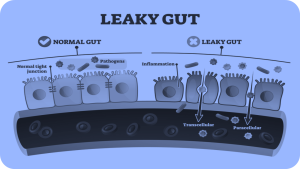
A thin layer of epithelial cells lines the human gut, serving as a barrier to keep dangerous chemicals out of the bloodstream. Tight junctions connect these cells and control how nutrients and other particles enter the bloodstream from the gut. These tight connections relax or break down in people with leaky gut letting undesirable chemicals flow through.
The following are the factors that promote leaky guts
-
Chronic stress increases inflammation and disrupts gut health
-
Poor diet rich in ultra processed food, sugars and unhealthy fats
-
Dysbiosis: an imbalance in the gut’s good and bad bacteria can weaken the intestinal barrier.
-
Infections: certain pathogens or bacteria can damage the intestinal lining.
-
Excessive alcohol consumption can be a source of irritation or inflammation to the gut
Symptoms of Leaky Gut
The symptoms of leaky gut are varied and may mimic other health conditions, which makes it difficult to diagnose. Common symptoms include:
-
Digestive issues like bloating, gas, diarrhea, or constipation
-
Food sensitivities or allergies
-
Chronic fatigue
-
Skin issues like acne or eczema
-
Autoimmune flare-ups
-
Joint pain and inflammation
-
Mood disorders, such as anxiety or depression
Since many of these symptoms are nonspecific, leaky gut is often diagnosed after ruling out other conditions.
Nutritional Remedy for Leaky Gut
Although studies on leaky gut are still being conducted, there is mounting data that suggests healthy eating can be crucial to gut healing and restoration. The following are important dietary guidelines for treating leaky gut:
-
Bone Broth and Collagen-Rich Foods
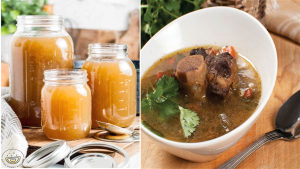
Because of its high collagen content, which aids in gut lining repair, bone broth is frequently suggested for leaky gut. Glycine and proline, two amino acids found in collagen, are critical for tissue regeneration and gut health. Gelatin, collagen peptides, or bone broth can all aid in the intestinal wall’s healing process.
-
Prebiotic and Probiotic Foods
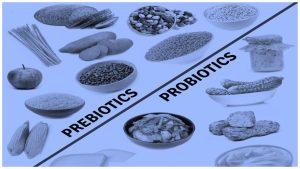
A healthy gut microbiota is essential for maintaining intestinal permeability. Prebiotics, which are fibers that feed beneficial bacteria, can be found in foods like garlic, onions, bananas, asparagus, and leeks. Probiotics, which are beneficial bacteria, can be consumed through fermented foods such as yogurt, kefir, sauerkraut, kimchi, and kombucha. Together, prebiotics and probiotics help maintain a balanced gut flora and strengthen the gut lining.
-
Omega-3 Fatty Acids
Omega-3 fatty acids, found in fatty fish (like salmon, mackerel, and sardines), flaxseeds, chia seeds, and walnuts, have anti-inflammatory properties. Chronic inflammation is believed to be a key driver of leaky gut, so incorporating omega-3-rich foods may help reduce inflammation and support gut healing.
-
Glutamine-Rich Foods
Glutamine is an amino acid that plays a vital role in gut repair. It is a primary fuel source for the cells lining the intestines, promoting the regeneration and healing of the gut barrier. Foods high in glutamine include grass-fed beef, chicken, eggs, and dairy products, as well as plant-based sources like beans, lentils, and cabbage. Supplementing with glutamine may also be beneficial under the guidance of a healthcare provider.
-
Zinc-Rich Foods
Zinc is a mineral known for its role in immune function and intestinal health. It helps maintain the integrity of the gut lining and may be beneficial for people with leaky gut. Foods rich in zinc include oysters, red meat, pumpkin seeds, cashews, and chickpeas.
-
Anti-Inflammatory Foods
Chronic inflammation is a significant contributor to leaky gut. To combat this, it’s important to include antiinflammatory foods in the diet. These include:
-
Fruits and vegetables: Especially those rich in antioxidants like berries, spinach, kale, and sweet potatoes.
-
Turmeric and ginger: Both of these spices have powerful anti-inflammatory properties that can help reduce gut inflammation.
-
Olive oil is a source of monounsaturated fats, which can help lower inflammation in the gut.
-
Elimination Diet
For individuals with food sensitivities or allergies, an elimination diet can help identify trigger foods that may be aggravating leaky gut. Common culprits include gluten, dairy, refined sugars, and processed foods. Removing these from the diet for a period of time may allow the gut to heal and reduce symptoms.
Lifestyle Considerations for Gut Health
In addition to diet, other lifestyle factors play a role in managing leaky gut:
-
Stress management: Chronic stress can negatively affect gut health, so practices such as yoga, meditation, or deep-breathing exercises can help promote healing.
-
Adequate sleep: Getting 7–9 hours of sleep per night supports immune function and reduces inflammation.
-
Regular physical activity: Moderate exercise can improve gut motility and reduce systemic inflammation.
Conclusion
Despite the complexity and frequent misunderstanding of leaky gut, there is mounting evidence that nutritional therapies can greatly promote gut healing and lessen symptoms. Intestinal lining integrity can be restored, inflammation can be decreased, and general health can be enhanced by a diet high in gut-healing foods like probiotics, bone broth, and omega-3 fatty acids. As always, treating leaky gut requires collaboration with a healthcare professional because every person has different needs and treatment preferences. Better digestive health and overall well-being can result from managing and even reversing the consequences of leaky gut by feeding the gut the proper foods and having a balanced lifestyle.
Leave your comment below
https://www.hopkinsmedicine.org/health/wellness-and-prevention/bloating-causes-and-prevention-tips
https://my.clevelandclinic.org/health/diseases/22724-leaky-gut-syndrome
https://pmc.ncbi.nlm.nih.gov/articles/PMC6790068/
https://www.healthline.com/nutrition/leaky-gut-diet

Dr kafor Bernard is an accomplished clinical Scientist and lecturer, with many years of experience. He is a consummate researcher with many research works to his credit. Dr Kafor has a passion for helping people to optimize their life. Currently, he works at Federal Teaching Hospital Owerri, as well as at Madonna University Nigeria