

None malignant Prostatic Enlargement and prostatitis
The prostate is a glandular male organ located just below the urinary bladder, around the the proximal part of the urethra, which forms the bladder outlet. The contraction of this organ during ejaculation forces seminal into the urethral trac
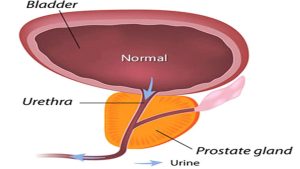
The prostate gland is a common site for three major disorders of male genitourinary system including prostatitis, benign prostatic hyperplasia (BPH), and the prostate cancer. Benign prostatic hyperplasia, and prostatitis constitute the nonmalignant disorders of prostate. However, prostatitis is a nontumor forming disorders.
Prostatitis is the inflammation of the prostate gland, which could be of either bacteria origin or nonbacterial. Prostatitis as a result of bacterial infections can be categorized into two: acute bacterial and chronic bacterial prostatitis. The nonbacterial prostatitis is otherwise known as inflammatory prostatitis.
Aging-related hormonal changes leading to urine retention may be a contributory factor to the development of inflammatory prostatitis. In urine retention, the bladder becomes enlarged, feeble, sensitive, and prone to infection. An infection in the bladder can quickly spread to the kidney through the ureters.
Acute bacterial is usually abrupt and the symptoms may include pain between the rectum and scrotum, fever, burning while urinating frequently, fullness in the bladder, and blood or pus in the urine.
Chronic bacterial prostatitis is not usually abrupt but lasts long. A recurrent bladder infection could be one of the signs.
As for the nonbacterial prostatitis/ noninfectious prostatitis there is no bacterial involvement in the inflammatory process. The exact cause of this disorder not fully known. However, it is associated with Lower abdominal pains, post ejaculatory pains, and frequent urination that may be accompanied by pains are some of the symptoms. Impotence and trouble urinating can result from any kind of prostatitis if left untreated.
Benign prostatic hyperplasia (BPH)-caused by the enlargement as a result of proliferation prostate cells. Three out of every seven men over 70 have it, and around half of all men over 50 have it. Approximately 10 million men in the United States. Hormonal changes brought on by aging are primarily to blame. A man’s testosterone levels fall after the age of fifty or so, but other hormone levels, such prolactin and estradiol (a form of estrogen), rise. As a result, the prostate produces more dihydrotestosterone, an extremely powerful type of testosterone. This leads to the overproduction of prostate cells, or hyperplasia, which in turn causes the prostate to grow.
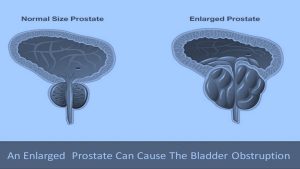
An enlarged prostate can cause issues even if it is not malignant. It obstructs the urethral canal if it gets too big, making it difficult to urinate and empty the bladder entirely. The kidneys do not empty as they should because the bladder cannot empty entirely. Severe cases may arise from dangerous pressure on the kidneys. Both pressure and chemicals in the urine can harm the kidneys. Prostate enlargement and prostatitis are linked to bladder infections.
One of the main signs of prostate enlargement is the urge to urinate regularly, which becomes more frequent over time. In order to urinate, a man may have to get up multiple times during the night. In addition, there may be burning, aches, and trouble beginning and stopping. Blood in the pee is a common occurrence.
Test
Digital rectal examination can used for the investigation of prostate disorder especially BPH. This can with scanning machine. Blood tests is also necessary to determine the PSA level. The PSA level is not usually high in noninfectious prostatitis. The gold standard for BPH diagnosis remains the histopathology.
Treatment & Care
There conventional drugs for the treatment of prostate disorders though they mostly have adverse effects on the patients. For our prostate health there is need for supplemented diets. Supplements such as zinc, carotenoids, magnesium, vitamin D, vitamin C, selenium, as well vitamin B1 with greatly improve prostate health.
https://www.health.harvard.edu/topics/prostate-healthhttps://www.cancer.gov/types/prostate/understanding-prostate-changeshttps://my.clevelandclinic.org/health/diseases/8634-prostate-cancerhttps://www.pcf.org/c/five-foods-to-protect-your-prostate/

Dr kafor Bernard is an accomplished clinical Scientist and lecturer, with many years of experience. He is a consummate researcher with many research works to his credit. Dr Kafor has a passion for helping people to optimize their life. Currently, he works at Federal Teaching Hospital Owerri, as well as at Madonna University Nigeria