


Food as Medicine: How Your Diet Can Heal and Prevent Disease
In today’s fast-paced world, many of us turn to prescription medications for common health concerns. While modern medicine has its place, an often-overlooked yet powerful tool for maintaining and restoring health is food itself. The concept of “food as medicine” has gained traction as research continues to show how dietary choices can prevent, manage, and even reverse chronic diseases.
The Science Behind Food as Medicine
Food is more than just fuel for the body—it contains vital nutrients that support cellular function, immune defense, and overall well-being. Scientific studies have established strong links between diet and health outcomes. For instance, diets rich in whole foods such as fruits, vegetables, whole grains, and lean proteins have been associated with a lower risk of heart disease, diabetes, and certain cancers (Hu, 2003).
Key Nutrients for Disease Prevention
-
Antioxidants – Found in berries, dark leafy greens, and nuts, antioxidants help combat oxidative stress and reduce inflammation, a key factor in chronic diseases (Ames, 2001).
-
Omega-3 Fatty Acids – Present in fatty fish like salmon and flaxseeds, omega-3s support heart health and reduce inflammation (Calder, 2010).
-
Fiber – High-fiber foods such as beans, lentils, and whole grains aid digestion and regulate blood sugar levels, lowering the risk of diabetes (Anderson et al., 2009).
-
Probiotics and Prebiotics – Found in yogurt, kefir, and fermented foods, these support gut health, which plays a crucial role in immunity and digestion (Ouwehand et al., 2002).
Foods That Heal
-
Turmeric
Curcumin, the active compound in turmeric, has potent anti-inflammatory and antioxidant properties. Studies suggest it may help with arthritis, depression, and even cancer prevention (Gupta et al., 2013).
Ginger
-
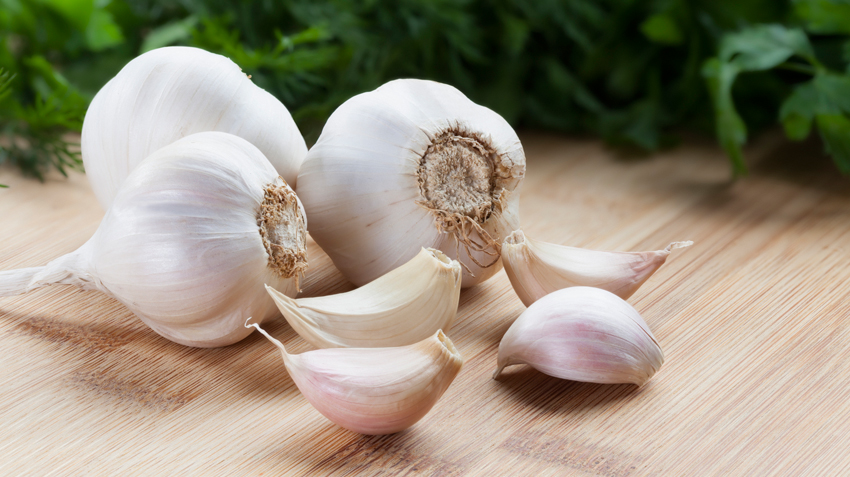
Garlic
Garlic contains allicin, a compound with antimicrobial and heart-protective benefits. It has been shown to lower blood pressure and cholesterol levels (Banerjee & Maulik, 2002).
-
Leafy Greens
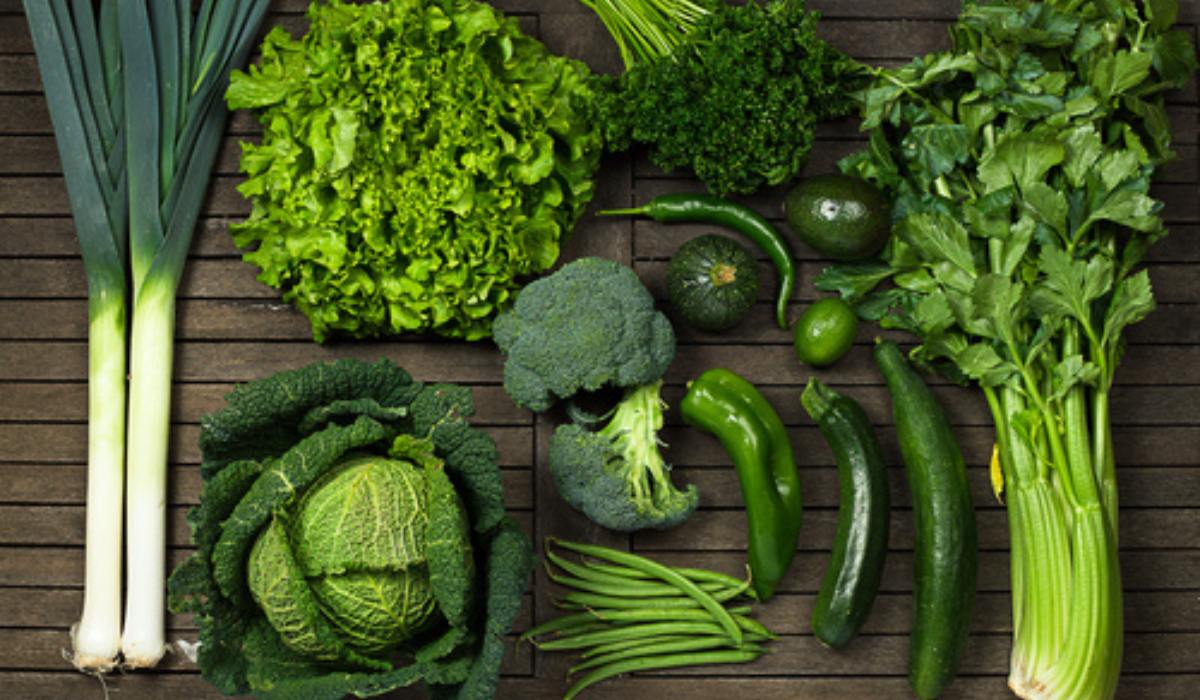
Spinach, kale, and Swiss chard are loaded with vitamins, minerals, and phytochemicals that promote heart health and brain function (Bhupathiraju & Tucker, 2011). See diagram below.
-
Berries
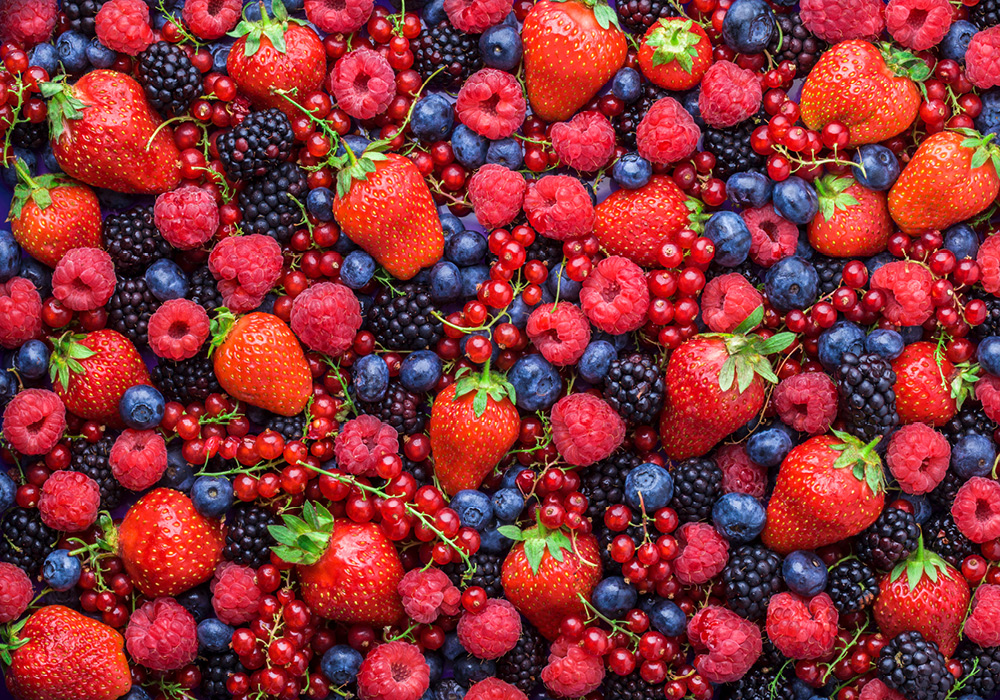
Blueberries, strawberries, and blackberries are packed with flavonoids, which help improve cognitive function and reduce the risk of neurodegenerative diseases (Devore et al., 2012). Samples of berries is just below.
Practical Tips for a Healing Diet
-
Eat Whole, Unprocessed Foods – Prioritize whole foods over processed options to maximize nutrient intake.
-
Balance Your Plate – Include a variety of colorful fruits and vegetables, lean proteins, and healthy fats.
-
Stay Hydrated – Water aids digestion, detoxification, and overall cellular function.
-
Limit Sugar and Processed Foods – Excess sugar consumption is linked to inflammation, obesity, and diabetes (Lustig et al., 2012).
-
Incorporate Herbs and Spices – Herbs like ginger, cinnamon, and turmeric add flavor and health benefits to meals.
By making intentional dietary choices, we can harness the power of food to heal and prevent disease. While medical interventions are sometimes necessary, a balanced, nutrient-dense diet serves as a foundational approach to lifelong health. As Hippocrates once said, “Let food be thy medicine and medicine be thy food.”
References
- Ames, B. N. (2001). “DNA damage from micronutrient deficiencies is likely to be a major cause of cancer.” Mutation Research, 475(1-2), 7-20.
- Anderson, J. W., Baird, P., Davis Jr, R. H., et al. (2009). “Health benefits of dietary fiber.” Nutrition Reviews, 67(4), 188-205.
- Banerjee, S. K., & Maulik, S. K. (2002). “Effect of garlic on cardiovascular disorders.” Nutrition Journal, 1(1), 4.
- Bhupathiraju, S. N., & Tucker, K. L. (2011). “Coronary heart disease prevention: nutrients, foods, and dietary patterns.” Clinical Therapeutics, 33(7), 921-925.
- Calder, P. C. (2010). “Omega-3 fatty acids and inflammatory processes: from molecules to man.” Biochemical Society Transactions, 38(1), 211-215.
- Devore, E. E., Kang, J. H., Breteler, M. M., & Grodstein, F. (2012). “Dietary intakes of berries and flavonoids in relation to cognitive decline.” Annals of Neurology, 72(1), 135-143.
- Gupta, S. C., Patchva, S., & Aggarwal, B. B. (2013). “Therapeutic roles of curcumin: lessons learned from clinical trials.” AAPS Journal, 15(1), 195-218.
- Hu, F. B. (2003). “Plant-based foods and prevention of cardiovascular disease: an overview.” American Journal of Clinical Nutrition, 78(3), 544S-551S.
- Lustig, R. H., Schmidt, L. A., & Brindis, C. D. (2012). “The toxic truth about sugar.” Nature, 482(7383), 27-29.
- Ouwehand, A. C., Salminen, S., & Isolauri, E. (2002). “Probiotics: an overview of beneficial effects.” Antonie van Leeuwenhoek, 82(1-4), 279-289.

Dr kafor Bernard is an accomplished clinical Scientist and lecturer, with many years of experience. He is a consummate researcher with many research works to his credit. Dr Kafor has a passion for helping people to optimize their life. Currently, he works at Federal Teaching Hospital Owerri, as well as at Madonna University Nigeria